Reading Time: 5 minutesIf you’re asking yourself why won’t my child calm down, the answer is often neurological—not behavioral.


Reading Time: 5 minutesIf you’re asking yourself why won’t my child calm down, the answer is often neurological—not behavioral.

Reading Time: 6 minutesQuick Answer: When you feel stuck in fight-or-flight, it usually means your body is still acting as if it needs protection, even when your mind knows you are safe.

Reading Time: 4 minutesYou’re tired.
Your body is heavy.
Your mind wants rest.

Reading Time: 3 minutesADHD is often described as a difficulty with focus, impulsivity, or organization.

Reading Time: 3 minutesIs the Brain Really “Fixed” After 25? You’ve probably heard it before:“Your brain stops developing after 25.” It’s one of the most common myths in neuroscience—and one of the most limiting. While it’s true that certain developmental windows close, the brain does not stop changing. In fact, your brain remains.

Reading Time: 4 minutesMost adults assume anxiety develops from life experiences, stress, or personality traits.

Reading Time: 3 minutesYou can repeat affirmations.
You can journal.
You can understand your triggers intellectually.

Reading Time: 3 minutesWe like to think kindness is a choice. A value. A personality strength.
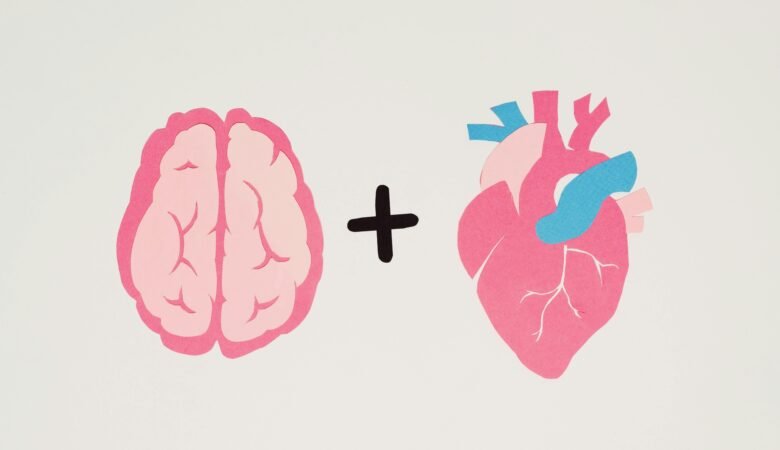
Reading Time: 4 minutesYour heart and brain are constantly communicating. In fact, most of the signals traveling between them move from the body to the brain, not the other way around.

Reading Time: 3 minutesHow to Calm Your Nervous System With Kids


