
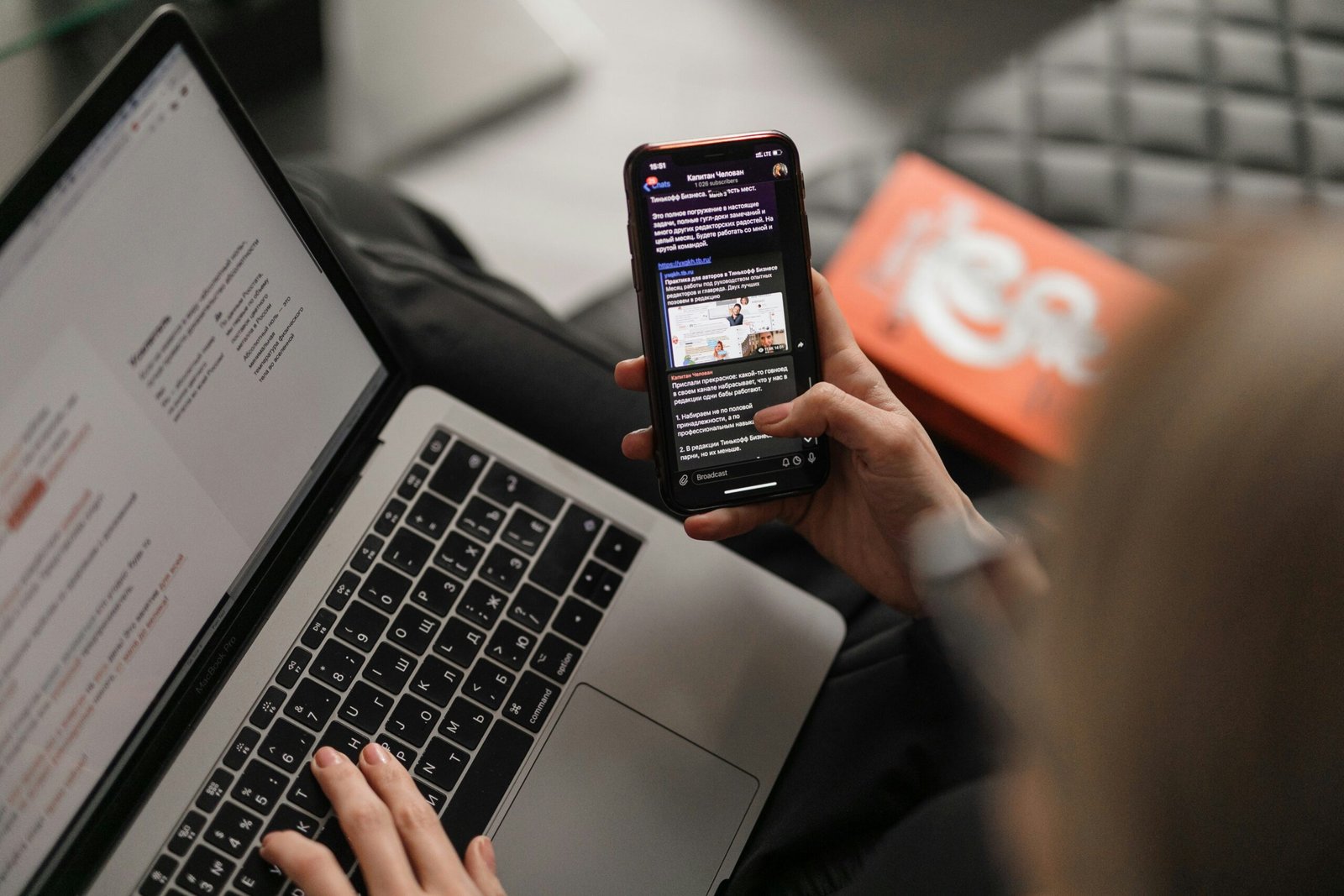
What Is Impulse Control in Adults?
Impulse control in adults is the brain’s ability to pause, evaluate, and choose intentionally rather than reacting automatically. It allows you to stop scrolling, resist unnecessary purchases, and follow through on decisions that align with your goals.
When impulse control is weak, actions happen faster than conscious thought — scrolling becomes endless, online shopping turns automatic, and regret follows later.
Why Is It So Hard to Stop Scrolling?
Scrolling is not a lack of discipline — it’s a nervous system response.
Apps are designed to hijack the brain’s reward and survival systems. Fast visuals, novelty, and unpredictable rewards activate the midbrain, a part of the brain in charge of filtering stimuli and creating dopamine (the motivation hormone).
For adults with weak impulse control, the brain struggles to disengage because it never fully learned how to regulate stimulation.
This is especially common in adults with:
- Chronic stress
- Anxiety
- Sensory overload
- Retained primitive reflexes
- Attention regulation challenges
How Is Impulse Control Linked to the Nervous System?
Impulse control is not a “willpower skill.” It depends on how well the nervous system can regulate arousal.
When the nervous system is overstimulated or underdeveloped, the brain defaults to:
- Quick rewards
- Dopamine spikes
- Habitual behaviors
- Avoidance of discomfort
This explains why adults often scroll or shop when tired, overwhelmed, or emotionally dysregulated — the brain is seeking regulation, not entertainment.
Why Does Impulse Control Affect Shopping Behavior?
Online shopping mimics the same neurological loop as scrolling:
- Visual stimulation
- Immediate reward
- Emotional relief
- Minimal physical effort
Adults with poor impulse control may:
- Buy things impulsively and regret them later
- Use shopping to regulate emotions
- Feel a rush followed by guilt
- Struggle to pause before clicking “buy”
This behavior is not about money — it’s about nervous system regulation.
What Brain Patterns Drive Impulsive Behavior in Adults?
Several neurological patterns contribute to impulse control difficulties:
- Retained Moro Reflex: Heightened stress response → impulsive reactions
- Retained ATNR: Difficulty inhibiting certain movement or actions
- Underdeveloped midbrain: Difficulty connecting to the logical brain before impulses
- Poor sensory filtering: Overwhelm leads to escape behaviors
These patterns keep the brain in a reactive state rather than a reflective one.
Learn more about this here:
👉 Retained Primitive Reflexes: How They Impact Adult Behavior and Learning
Why Can’t Adults “Just Use Self-Control”?
Self-control requires:
- Stable posture
- Calm sensory input
- Balanced brain hemispheres
- Integrated reflexes
When these foundations are weak, the brain cannot pause effectively — no matter how strong the intention.
This is why impulse control strategies that rely only on rules or restriction often fail. The body must be regulated before the brain can choose differently.
How Does Scrolling Reduce Impulse Control Over Time?
Endless scrolling trains the brain to:
- Seek constant stimulation
- Avoid boredom
- Reduce attention span
- Expect instant gratification
Over time, this weakens the neural pathways responsible for planning, reflection, and delayed reward — making impulse control harder, not easier.
This same pattern shows up in adults who struggle with learning, focus, or emotional regulation.
Related read:
👉 Sensory Processing Difficulties in Adults – Signs and Solutions
How Can Adults Improve Impulse Control Naturally?
Impulse control improves when the nervous system feels safe, grounded, and organized.
1. Add Movement Before Restriction
Movement helps regulate the primitive. Try walking, stretching, or cross-body movement before attempting to “stop” a behavior.
2. Reduce Sensory Overload
Dim lighting, reduce background noise, and limit multitasking. A calmer sensory environment supports better decision-making.
3. Create Pauses, Not Rules
Instead of banning scrolling or shopping, introduce a pause:
- Take 5 deep breaths
- Stand up and move
- Delay purchases by 24 hours
Pauses train impulse control pathways.
4. Address the Primitive Brain
When retained reflexes are integrated and primitive brain regions are developed, the whole brain becomes less reactive and more organized. This supports impulse regulation at a neurological level.
What Changes When Impulse Control Improves?
Adults often notice:
- Less compulsive scrolling
- Smarter purchasing decisions
- Improved focus
- Reduced anxiety
- Greater emotional regulation
- More intentional habits
Impulse control doesn’t improve by forcing behavior — it improves when the brain no longer feels threatened or overstimulated.
Is Poor Impulse Control a Personal Failure?
Not at all! Impulse control challenges reflect nervous system patterns, not character flaws.
When we stop blaming ourselves and start understanding how the brain works, change becomes sustainable.
Impulse control in adults is trainable — not through discipline alone, but through nervous system reorganization.
Final Thoughts
Impulse control struggles around scrolling and shopping are signals — not shortcomings.
When the brain is regulated, the pause comes naturally. When the body feels safe, decisions feel easier. Supporting the nervous system is the most effective way to stop scrolling, shop smarter, and regain intentional control.Learn more about our brain reorganization program here 🙂


