
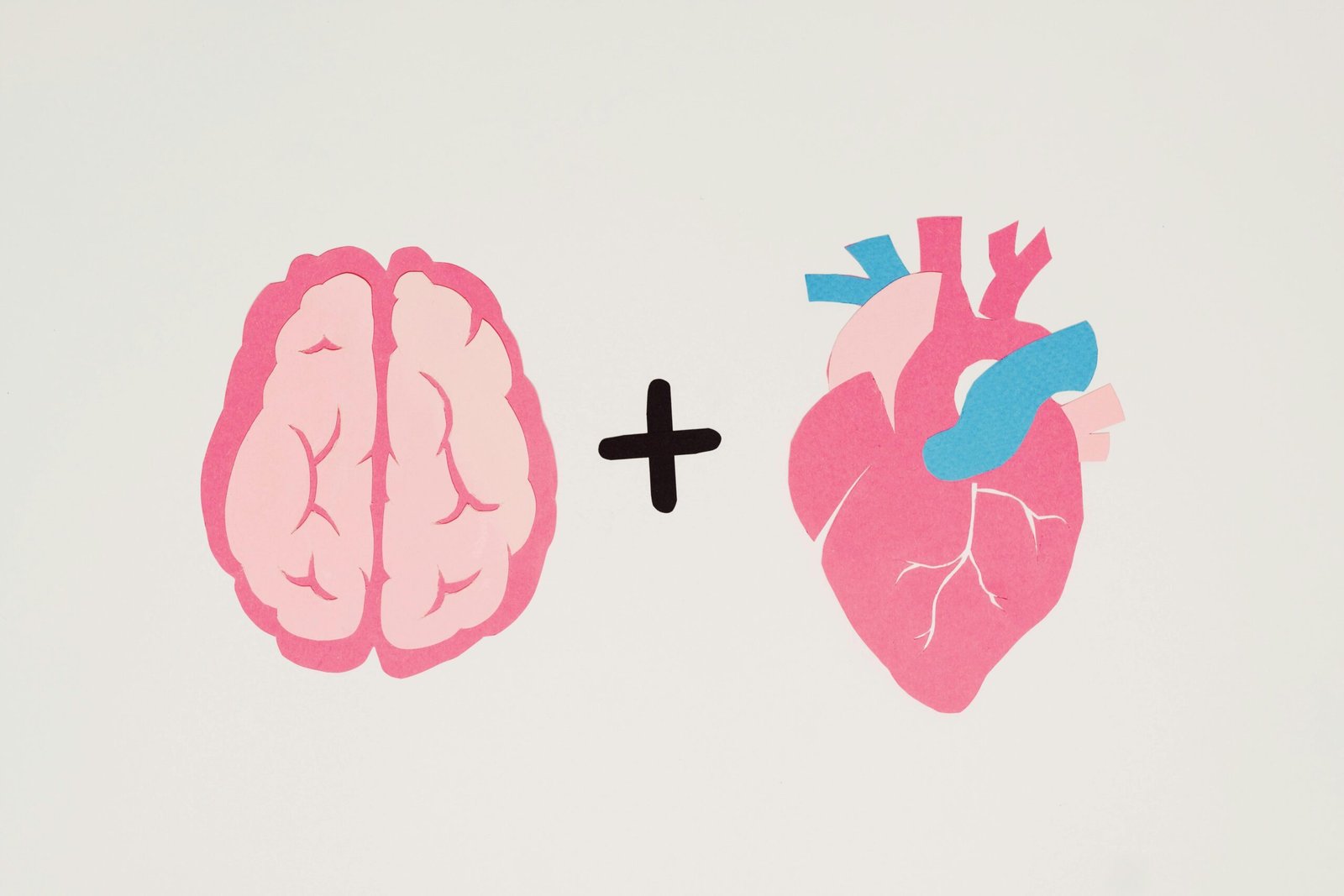
The Hidden Bridge Between Your Heart and Brain
Your heart and brain are constantly communicating. In fact, most of the signals traveling between them move from the body to the brain, not the other way around.
At the center of this connection is the vagus nerve — the longest cranial nerve in the body and one of the most important regulators of stress.
If you’ve ever felt your heart race under pressure or calm down after a deep breath, you’ve experienced this system in action.
Understanding how the vagus nerve works — and how to influence it through somatic experiencing exercises — gives you access to one of the most powerful stress-regulation tools in your body.
What Is the Vagus Nerve?
The vagus nerve runs from the brainstem through the neck, into the heart, lungs, and digestive system. It is a core part of the parasympathetic nervous system — the branch responsible for rest, repair, and recovery.
Think of the vagus nerve as the body’s brake pedal.
When stress activates your fight-or-flight response, your heart rate increases and your body prepares for action. When the vagus nerve activates, it slows the heart, deepens breathing, and signals safety.
This is known as vagus nerve stimulation — and it’s a natural process your body can learn to access more consistently.
How the Vagus Nerve Regulates Heart Rate Variability (HRV)
One of the most measurable signs of vagus nerve health is heart rate variability (HRV).
HRV measures the variation in time between heartbeats. Contrary to what many assume, a perfectly steady heartbeat is not ideal. Healthy hearts vary slightly from beat to beat.
Higher HRV is associated with:
- better emotional regulation
- improved stress resilience
- faster recovery after stress
- greater adaptability
Lower HRV is often linked to chronic stress, anxiety, and fatigue.
The vagus nerve plays a central role in increasing HRV. When vagal tone is strong, your heart and brain coordinate efficiently. When vagal tone is weak, stress lingers longer in the body.
Why Stress Feels Stuck in the Body
When the nervous system remains activated for long periods, the vagus nerve loses efficiency. The brake pedal becomes less responsive.
This can feel like:
- a racing heart without clear cause
- difficulty calming down
- shallow breathing
- digestive discomfort
- emotional reactivity
The solution isn’t just “think positive” or “relax.” It’s learning how to activate the physical systems that regulate stress.
That’s where somatic experiencing exercises become powerful.
What Are Somatic Experiencing Exercises?
Somatic experiencing exercises are body-based practices that help the nervous system complete stress cycles and return to balance.
Instead of working from the top down (through thought alone), these exercises work bottom-up — directly influencing physiology.
They are especially effective for:
- chronic stress
- anxiety
- emotional overwhelm
- nervous system dysregulation
By engaging the body, they strengthen vagal tone and improve heart rate variability (HRV) over time.
Somatic Experiencing Exercises for Vagus Nerve Stimulation
Below are simple practices you can begin today.
1. Brain Gym Positive Points
Click here to learn how to do this quick nervous system-resetting exercise from Brain Gym.
Longer exhales activate vagus nerve stimulation by signaling safety to the heart.
2. Gentle Humming or Vocal Toning
Humming creates vibration in the throat, where the vagus nerve passes.
Try:
- humming for 30 seconds
- chanting a soft “mmm” sound
- slow vocal exhale
Vibration increases parasympathetic activation and supports regulation.
3. Creeping
If you’re already a member of In the Cortex, you know how powerful a quick lap of creeping can be. This exercise helps bring us back into our body, gives our brain the signal that we are safe to go into parasympathetic mode, connects left and right hemispheres of the brain and, most importantly, helps to develop the pons so that regulation becomes more and more automatic.
4. Rhythmic Movement
Gentle rocking, swaying, or walking regulates heart rhythm and breathing patterns.
Rhythm is one of the fastest ways to improve HRV naturally.
5. Safe Touch or Pressure
Placing one hand on your chest and one on your abdomen while breathing deeply provides grounding input.
Deep pressure sends signals of containment and safety through the nervous system.
The Role of Brain Reorganization
At In the Cortex, we understand that vagus nerve regulation is part of a broader process: brain reorganization.
When stress patterns have been present for years — sometimes since early development — the nervous system may default to survival responses automatically.
Brain reorganization uses developmental patterns and movements to help the nervous system complete unfinished stages. As these patterns integrate, vagal tone strengthens, HRV improves, and regulation becomes more accessible.
This approach supports long-term change — not just temporary calm.
How to Know If Your Vagus Nerve Needs Support
You may benefit from targeted regulation work if you experience:
- persistent anxiety
- difficulty recovering after stress
- digestive issues under pressure
- chronic muscle tension
- low energy despite rest
- feeling “wired but tired”
These are signals, not flaws. Your nervous system may simply need retraining.
Final Thoughts: Reclaiming the Brake Pedal
The vagus nerve is not a hidden secret — but it is often underused.
When you strengthen vagal tone through somatic experiencing exercises, you improve your ability to slow your heart, steady your breath, and regulate stress.
The bridge between your heart and brain is always active. Through intentional vagus nerve stimulation and structured brain reorganization, you can restore balance and build resilience.
If you’d like to explore deeper regulation strategies:
Your body already knows how to regulate. It just needs the right signals.


