Reading Time: 5 minutesIf you’re asking yourself why won’t my child calm down, the answer is often neurological—not behavioral.


Reading Time: 5 minutesIf you’re asking yourself why won’t my child calm down, the answer is often neurological—not behavioral.

Reading Time: 3 minutesYou can repeat affirmations.
You can journal.
You can understand your triggers intellectually.

Reading Time: 3 minutesWe like to think kindness is a choice. A value. A personality strength.
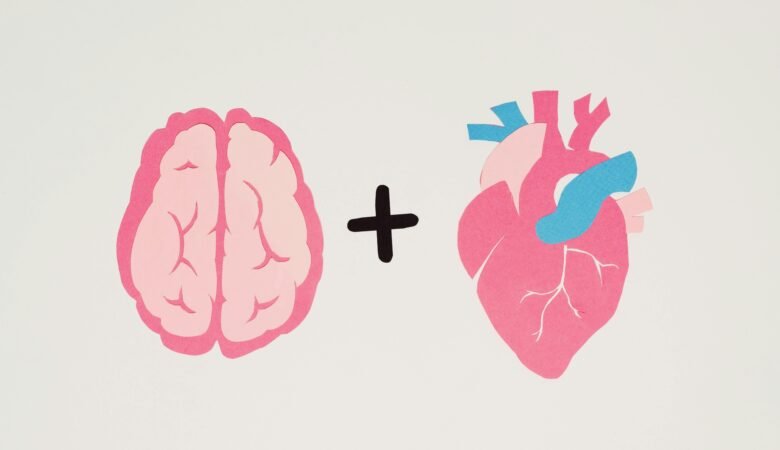
Reading Time: 4 minutesYour heart and brain are constantly communicating. In fact, most of the signals traveling between them move from the body to the brain, not the other way around.

Reading Time: 3 minutesHow to Calm Your Nervous System With Kids

Reading Time: 4 minutesNervous System Stuck in Fight or Flight: 5 Clear Signs

Reading Time: 3 minutesNervous System Regulation for Students in Class

Reading Time: 3 minutesWhen Trouble Reading Has Nothing to Do With Intelligence Many parents assume that when a child has trouble reading, it must be a sign of poor instruction or lack of practice. But often, the issue doesn’t start in the classroom — it starts in the brain. Reading is a complex.

Reading Time: 3 minutesA dysphoric mood is more than just “feeling off.” It’s a deep emotional unease — sadness, irritability, or restlessness

Reading Time: 7 minutesExcessive shyness is a common behavior in children, but for some, it can go beyond simply feeling a little nervous in new situations.


